
Ban Khun Chang Khian
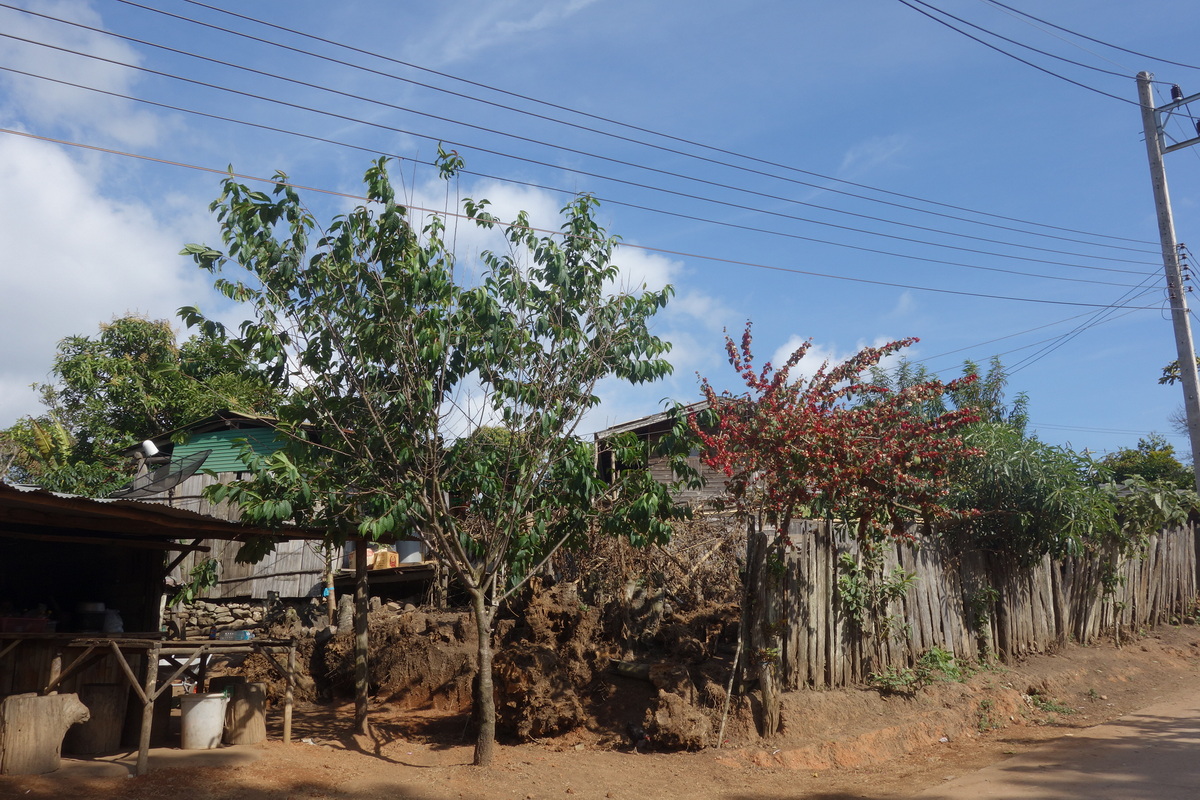
Ban Khun Chang Khian as a Flexible Mountain Day Trip
A Half-Day Story Told in Changing Light
How do you photograph a mountain village without reducing it to one postcard image? At Ban Khun Chang Khian, the answer is to let the day unfold in layers. Pink blossom branches may provide the most familiar frame, but the route also offers forest roads, cultivated slopes, coffee plants, modest homes, and the working landscape of a White Hmong community. Treat the visit as a visual story rather than a race for one photograph, and the mountain gives you far more to notice.
Build the Day Around Light, Not a Guarantee
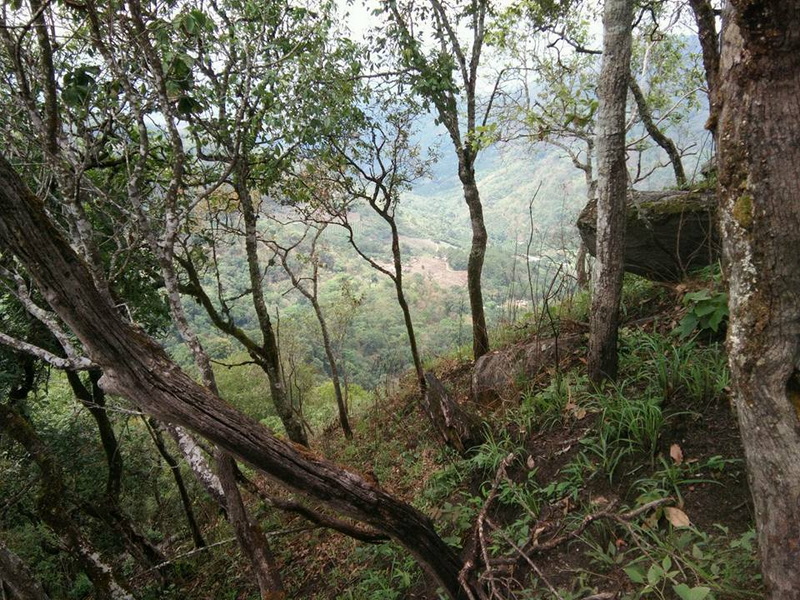
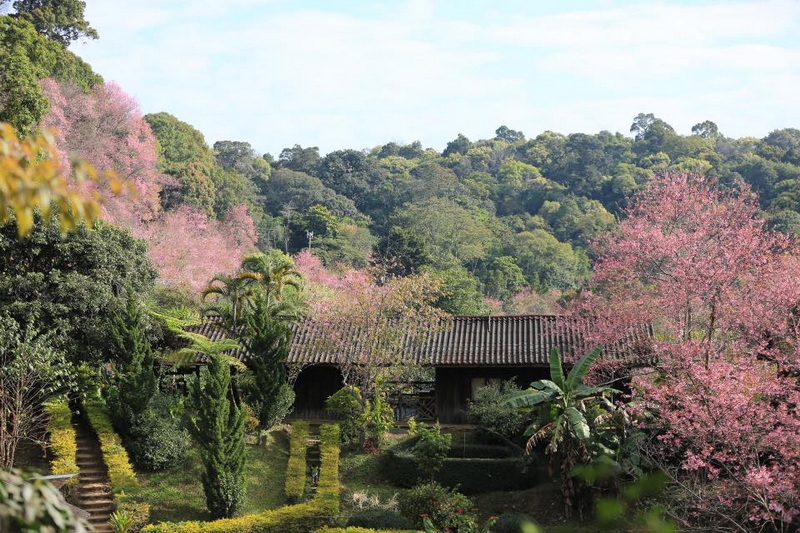
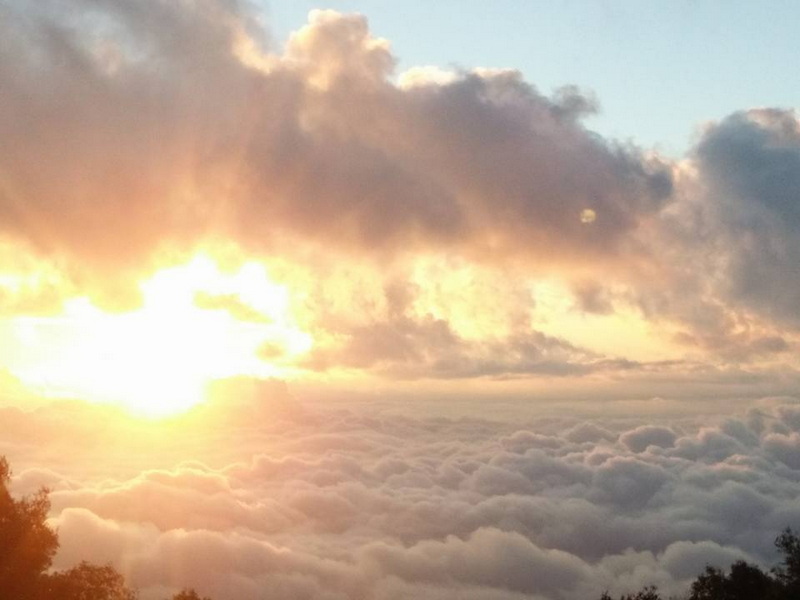
Start with flexibility. The Tourism Authority of Thailand identifies Khun Chang Khian Highland Research Station as a key place to see nang phaya suea khrong, often called Himalayan cherry or Thai sakura. Yet flowering is seasonal and weather-dependent, so recent local updates matter more than a fixed calendar. Even when the trees are sparse or past peak, softer mountain light, mist, textured bark, and rows of crops can still produce a strong set of images.
Choose a Route That Leaves Breathing Room
The destination lies within the wider mountain landscape of Doi Suthep - Pui National Park, beyond the better-known stops lower on Doi Suthep. Plan for a winding ascent and keep the schedule loose rather than stacking appointments immediately afterward. A local driver who knows the route can reduce navigation pressure, while independent motorists should check current road and access conditions before leaving the city. The goal is not speed; it is enough time to stop, observe, and respond to changing weather.
Begin with the Wide Frame
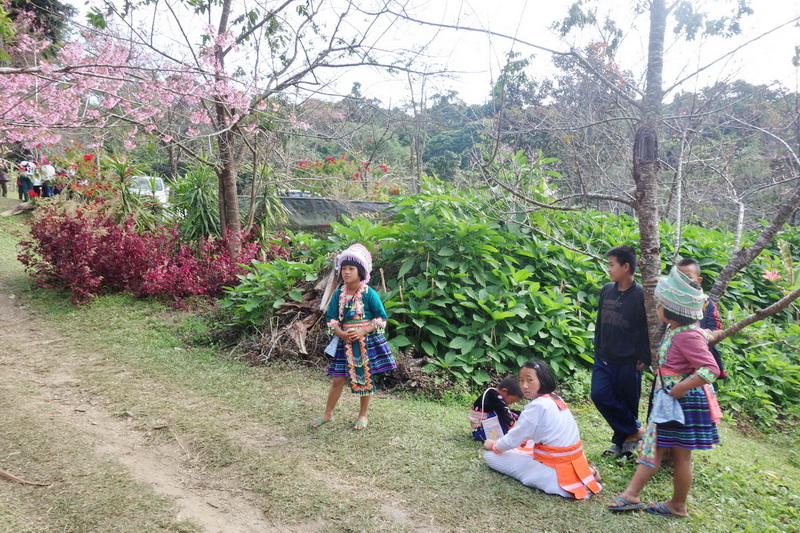
At the research station, start by photographing relationships rather than isolated flowers. Use the curve of the road, the slope of the land, or a dark forest edge to show where the pink trees grow. Then move closer for layered branches, buds, petals, and color against the highland background. A sequence of wide, medium, and detailed images will explain the place more effectively than dozens of nearly identical close-ups.
Let the Village Add Context
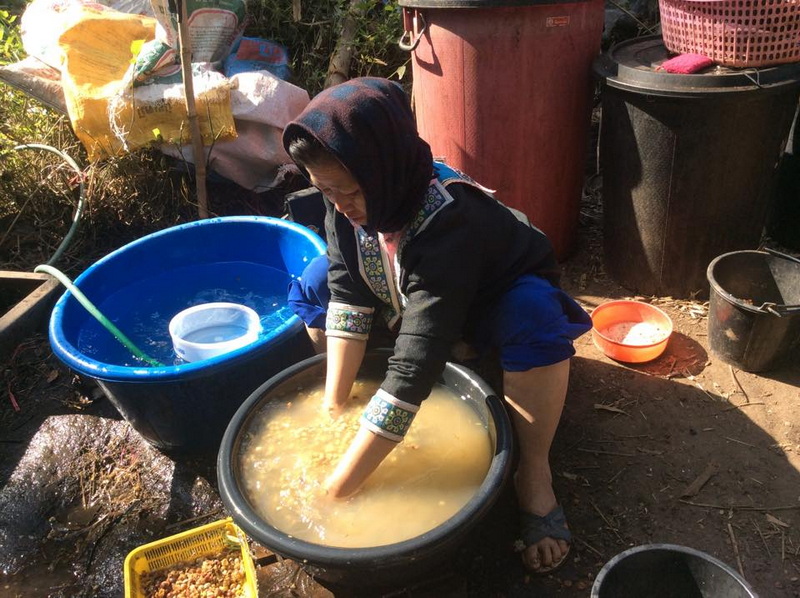
Before pointing a camera toward homes or people, pause to understand the setting. Chiang Mai University’s Doi Suthep Nature Center records that the community was formed by Hmong families who moved from Doi Pui and farmed around the area. Reading reliable Hmong Hilltribe Information beforehand helps separate community history from tourism stereotypes. On site, look for the relationship between houses, gardens, cultivated land, and mountain terrain rather than searching only for staged cultural symbols.
Coffee Tells Another Visual Story
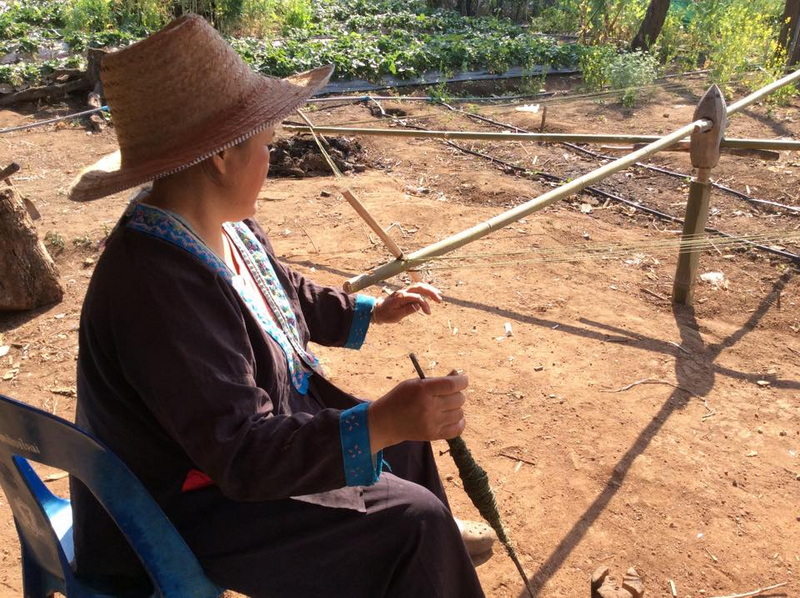
The highland research station is connected with agricultural study, including work on Arabica coffee, while local history links coffee cultivation with changing village livelihoods. Photographing leaves, berries when present, drying textures, cups, or farm patterns can broaden the story beyond blossoms. Purchase coffee or produce when locally offered and suitable, then use the pause to notice how research, cultivation, and small-scale commerce share the same landscape. This is a working agricultural setting, not merely a decorative garden.
Photograph the Pink Season with Restraint
Searches for Sakura Khun Chang Khian often create the expectation of a complete pink canopy, but nature rarely follows a visitor’s exact timetable. Work with what is present. A single flowering branch against a muted sky can be more expressive than a crowded scene, while fallen petals, new leaves, and distant color can add seasonal context. Avoid shaking branches, climbing trees, or stepping into planted areas to manufacture a composition.
Use the Camera Without Taking Over
The principles associated with Ethical Hill Tribe Tours Northern Thailand are especially relevant to photographers. Ask before taking recognizable portraits, accept a refusal without negotiation, and avoid aiming lenses through doorways or toward private family moments. Children should never become automatic subjects simply because they are outdoors. Stay in public areas, keep equipment compact where possible, and avoid directing residents into poses. A respectful photograph begins with consent and leaves the person in control.
Turn the Visit into a Manageable Half-Day
A well-paced Chiang Mai Village Day Trip works best as a sequence, not a checklist. Give the research station and village enough time for slow observation, a coffee break, and changes in light. On the descent, choose one or two contrasting stops rather than forcing every attraction into the same day. Carry water, a light layer, sun protection, and cash for small purchases, and keep extra time available for mountain traffic or weather shifts.
Nearby Stops for a Varied Photo Route
Wat Pha Lad for Forest Details
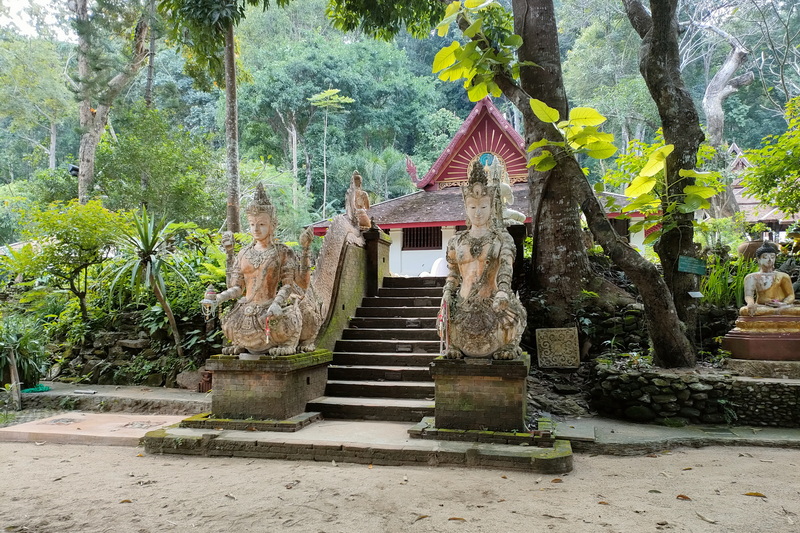
Wat Pha Lad changes the visual tempo from open highland scenery to a quieter forest setting. The associated nature trail is linked with an old route used by monks and worshippers traveling toward Doi Suthep, giving photographers a blend of vegetation, stone, sacred atmosphere, and historical context. It suits travelers who enjoy muted color, shade, and detail. Dress respectfully, keep voices low, and remember that a temple is an active religious place rather than a photography set
Chiang Mai Zoo for a Different Subject
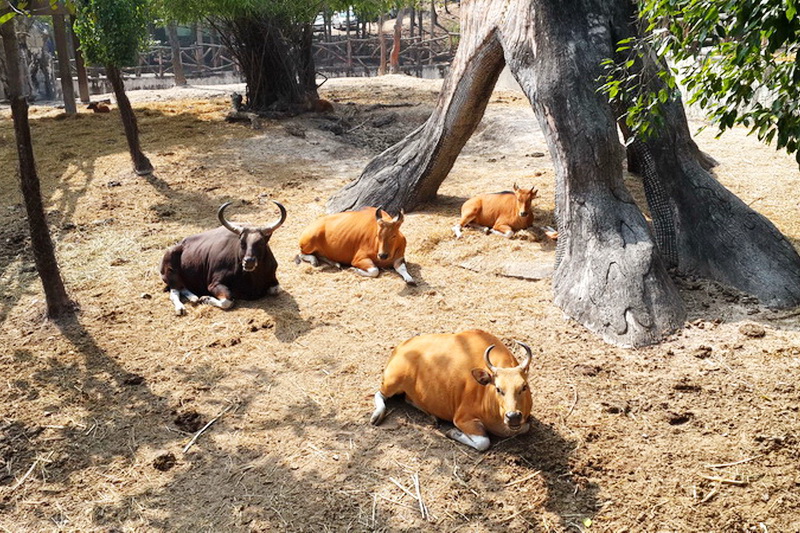
Chiang Mai Zoo offers a completely different finish near the city side of the mountain. Official tourism information notes a variety of animal exhibits and an aquarium, so the stop can work for companions who want more than landscape photography or for travelers extending the outing with family. Check current opening details and ticket information directly before visiting. Use a longer lens where allowed, avoid flash around animals, and treat welfare and exhibit rules as more important than getting a dramatic image.